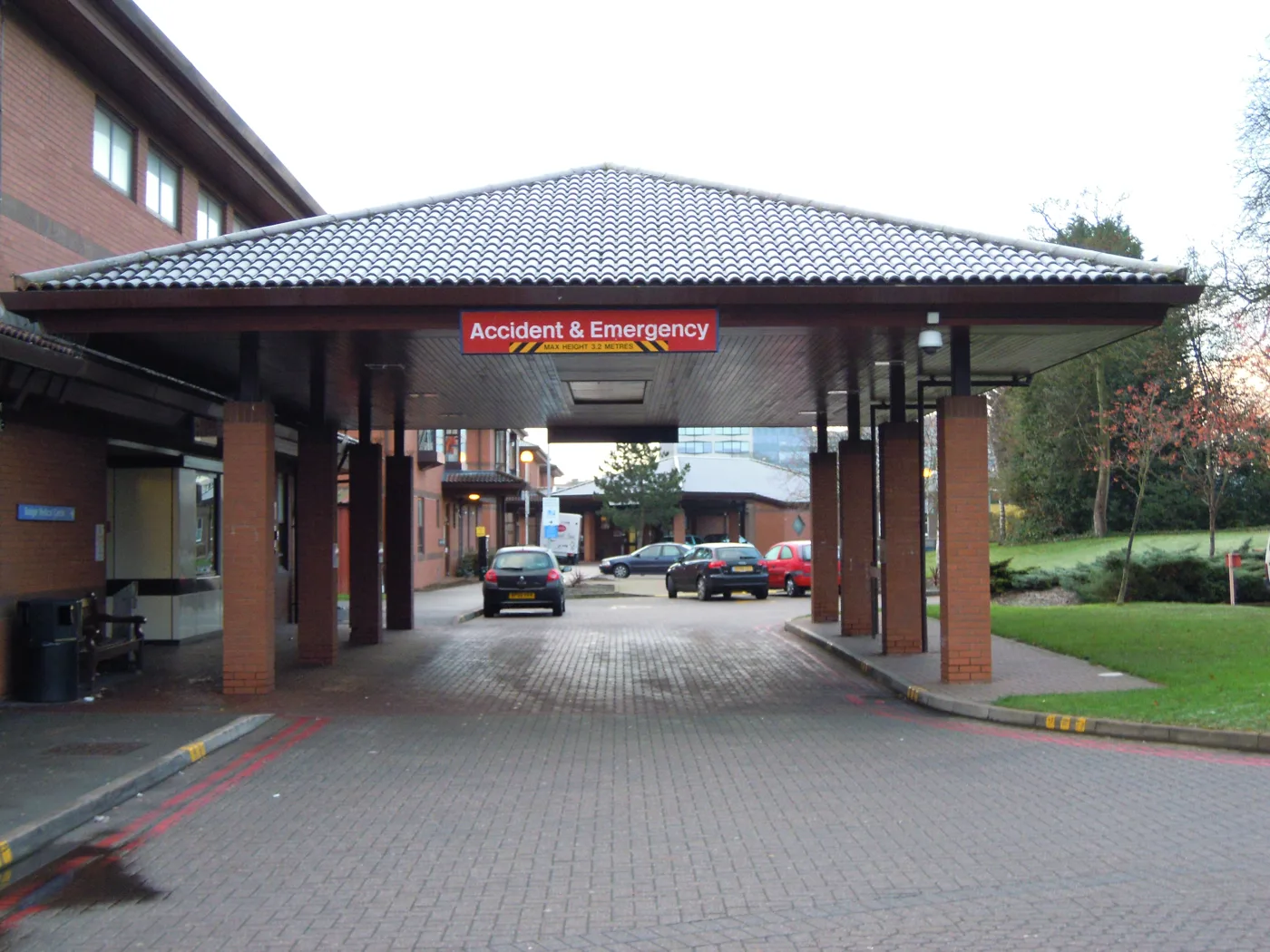

The NHS has approved a £33m overhaul of urgent care in Birmingham and Solihull. The urgent treatment centre at Solihull Hospital stays and will be upgraded to national standards by April 2028.
The urgent treatment centre at Solihull Hospital will stay open and be upgraded under a £33 million plan approved by the NHS on Monday.
NHS Birmingham and Solihull, which plans and pays for local health services, made the decision on 9 November. It follows a two-year review of urgent treatment centres and GP out-of-hours services, including a 10-week public consultation earlier this year (NHS Birmingham and Solihull, 10 November).
Nothing changes yet. The NHS says patients should keep using services as they do now until changes are formally announced. The new model will be brought in in phases, with full implementation expected by April 2028.
What the plan means for Solihull
Solihull Hospital’s centre on Lode Lane is one of three existing community centres that will be “improved to meet national NHS standards”. The other two are in Erdington and Selly Oak.
Under the new model, every one of the seven urgent treatment centres in Birmingham and Solihull will:
- open seven days a week, for at least 12 hours a day
- treat minor illnesses and minor injuries in patients of all ages, including children
- take walk-in patients, or appointments booked through NHS 111
- accept patients brought in by ambulance crews where appropriate
- offer basic diagnostic tests and access to patient records
That is a change from how the Solihull centre works today. University Hospitals Birmingham, which runs it, says it is open from 8am to 8pm, seven days a week. Walk-in care is for minor injuries such as sprains, cuts and broken bones, for anyone over one year old. For minor illnesses, patients are told to contact NHS 111 first (University Hospitals Birmingham).
The NHS has not yet said when the Solihull centre will move to the new model.
The rest of the plan
The £33 million covers the whole of Birmingham and Solihull. It includes:
- four new urgent treatment centres at hospitals: Queen Elizabeth Hospital Birmingham, Heartlands, Good Hope and Midland Metropolitan University Hospital in Smethwick
- a new purpose-built building at Good Hope, which becomes the permanent home of the North Birmingham centre (formerly Warren Farm)
- referral-only services replacing the urgent treatment centres at Summerfield and Washwood Heath in Birmingham
- redesigned GP out-of-hours care, reached through NHS 111, with phone or video consultations, face-to-face appointments and home visits
Dr Barbara King, medical director at NHS Birmingham and Solihull, said: “The new model will bring greater consistency to urgent care services, making it easier for patients to understand what care is available and how to access it.”
£5.28m for care closer to home in Solihull
A separate investment for the borough was announced a day later. More than £5 million of NHS growth funding is going into community health and care services in Solihull (University Hospitals Birmingham, 10 November).
The £5.28 million will pay for:
- bigger neighbourhood teams for people with complex health and care needs
- a 24-hour, seven-day urgent community response service, giving rapid care at home to avoid unnecessary hospital admissions
- dedicated frailty assessment
- better rehabilitation after a broken hip
- better support for people approaching the end of life
- stronger respiratory care in the community, and more help recovering at home after a hospital stay
- groundwork for neighbourhood health centres
Martin Richardson, hospital executive director for Solihull Hospital and community services, said Solihull is “testing some elements of community transformation before wider rollout across Birmingham and Solihull”.
Dr Nish Patel, a GP and clinical lead for the Solihull partnership that drew up the programme, said: “Demand is growing, pressure on services is clear and health inequalities across Solihull remain stark.”
No start dates for the new services have been published. More on the £5.28m community care funding.
What it means for you
- Today: nothing changes. Solihull’s urgent treatment centre is open 8am to 8pm every day for minor injuries. For a minor illness, call 111 or use 111 online first.
- Later: once the new model reaches Solihull, you should be able to walk in with a minor illness as well as an injury, and bring babies under one.
- Emergencies: urgent treatment centres do not treat life-threatening conditions such as heart attacks and strokes. Call 999.
Have your say