

A new heat pump energy centre at Solihull Hospital is finished. With earlier upgrades it will meet 85% of the hospital's heating and save about £62,000 a year.
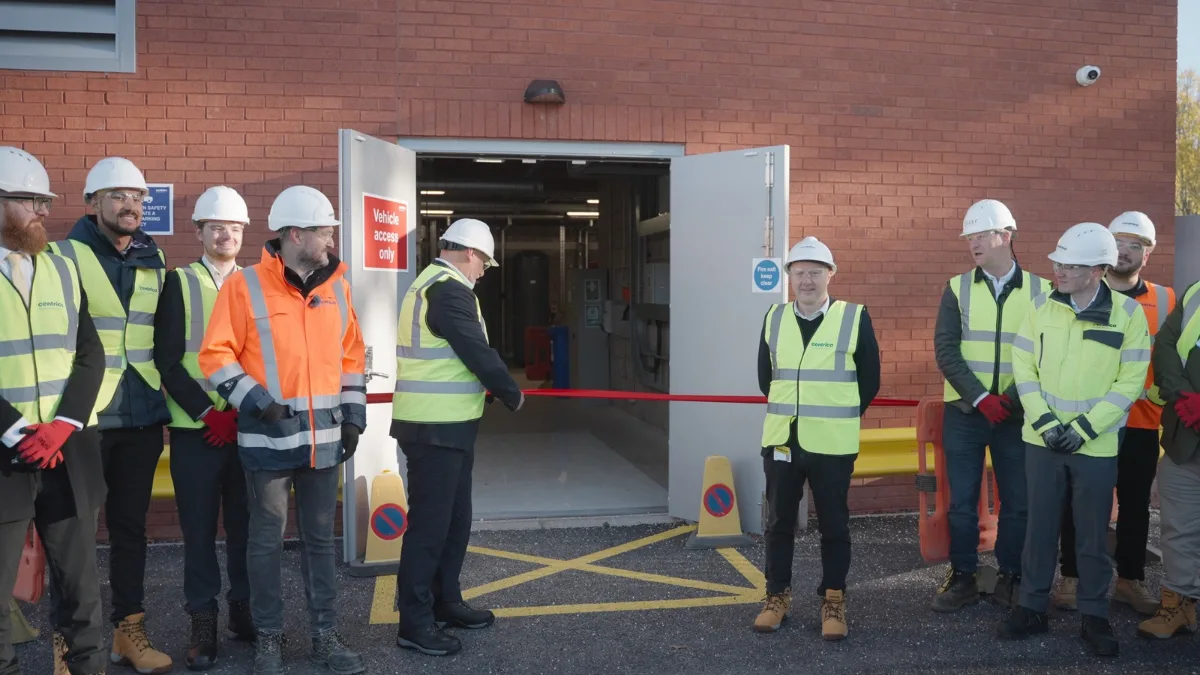
A new energy centre built around heat pumps has been completed at Solihull Hospital. It replaces the hospital’s old heating and power plant.
Together with earlier efficiency work on the site, it will meet 85% of the hospital’s heating needs. It will also cut its carbon emissions by 1,812 tonnes a year and save around £62,000 a year on energy bills.
The figures come from Centrica Business Solutions, which built the centre, and University Hospitals Birmingham, which runs the hospital. Both announced completion on 16 November.
What has changed
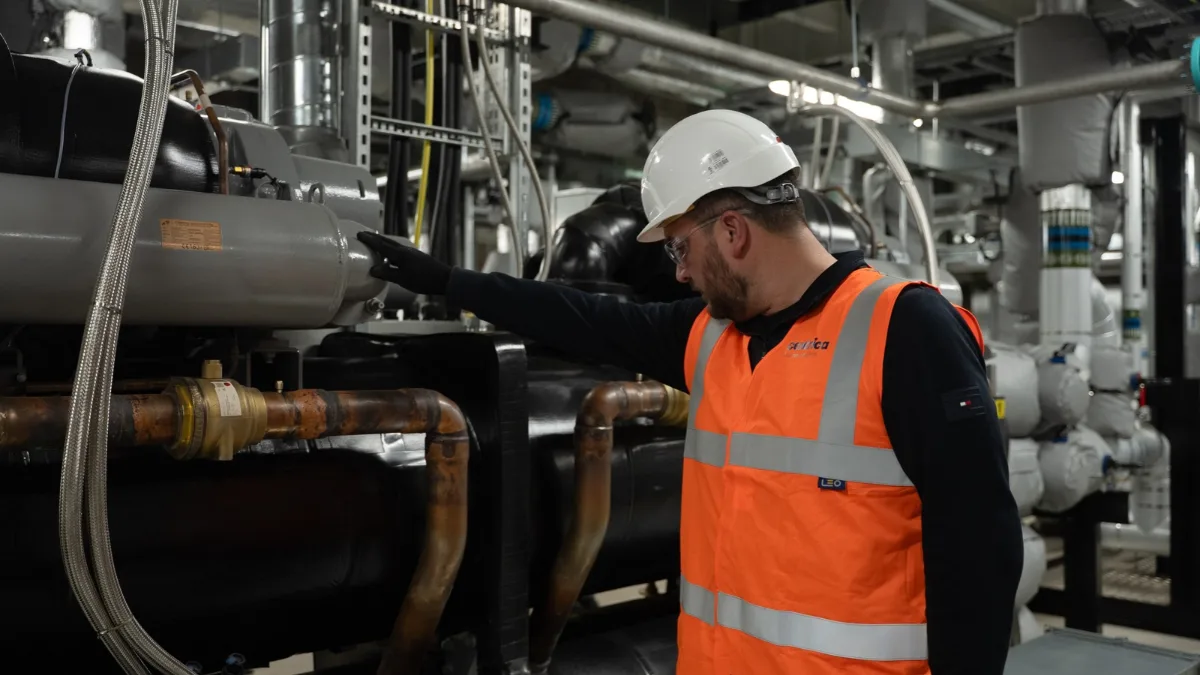
The hospital used to rely on a combined heat and power (CHP) plant, which generates electricity and heat on site. It has now moved to what the project’s funders call a “cascade heat pump system”.
The energy centre is the latest step in work that has run at the hospital for about 20 years. Earlier measures included:
- cavity wall insulation
- tuning the building management system, which controls heating and ventilation
- replacing 2,500 lights with low-power LEDs
The 1,812 tonnes, the £62,000 and the 85% are for all of these measures together, not the energy centre alone. Centrica’s announcement does not give the cost of the project.
Who paid for it
The work was funded by the government’s Public Sector Decarbonisation Scheme, run by the Department for Energy Security and Net Zero, with Salix as the delivery body. The NHS-backed Carbon and Energy Fund handled development and procurement.
Martin Richardson, executive director at Solihull Hospital, which is part of University Hospitals Birmingham NHS Foundation Trust, said: “The completion of the new energy centre is an important step in our work to make Solihull Hospital more energy efficient and reduce the carbon footprint of our estate.
“Working with Centrica over many years has enabled us to continually improve our energy infrastructure, and this latest project will deliver significant reductions in carbon emissions and costs, while providing the heating our hospital needs.”
The trust says the work was planned to keep disruption to patients, staff and visitors to a minimum.
Matt Wood, Centrica’s business energy and services director, said: “Hospitals need reliable energy around the clock, and we’re proud to play our part in helping Solihull Hospital use cleaner energy and move towards a lower-carbon future.”
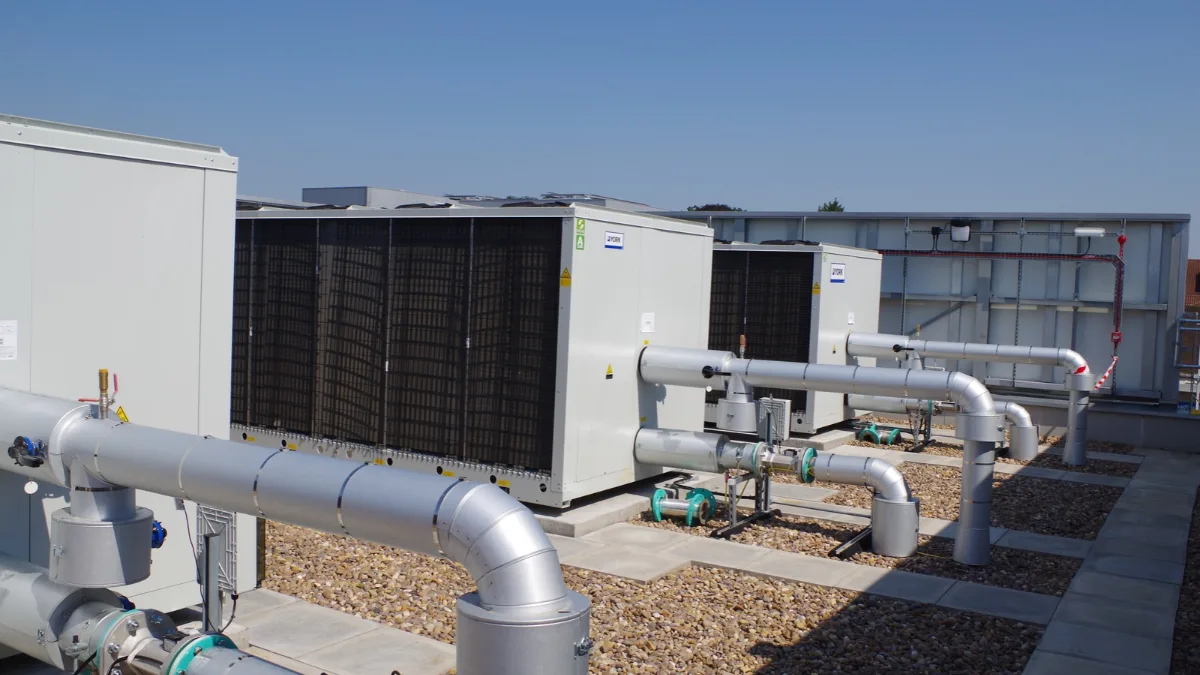
Andy Yates, director of projects at the Carbon and Energy Fund, said the switch from CHP to heat pumps helps the trust towards the NHS’s 2032 carbon target.
What it means for you
The announcement is about how the hospital on Lode Lane is heated and powered. It does not mention any change to services for patients or visitors. The energy savings go to University Hospitals Birmingham, which runs it.
Also this month: £5.28m of NHS funding for community care in Solihull.
Sources: University Hospitals Birmingham: New energy centre powers a greener future for Solihull Hospital, 16 November 2026; Centrica: Centrica powers up new Energy Centre at Solihull Hospital, 16 November 2026, including statements from University Hospitals Birmingham and the Carbon and Energy Fund.
Have your say